Department of Conservation and Recreation Department of Conservation and Recreation

Conserve. Protect. Enjoy.
DCR Logo
Mobile Menu
Search DCR Site
Facebook Twitter YouTube Instagram LinkedIn
About DCR
 
State Parks
 
Natural
Heritage
Soil and Water
Conservation
Recreation
Planning
Dam Safety and
Floodplains
Land
Conservation
  • About DCR
  • DCR 100th Anniversary
    • Natural Heritage 40th Anniversary
    • Virginia State Parks 90th Anniversary
  • DCR Leadership
  • Jobs
    • Internships
  • Insights Blog
  • Boards
  • Laws and Regulations
  • Grant and Funding Resources
  • Public Safety and Law Enforcement
  • ConserveVirginia
  • Environmental Education
  • Media Center
  • Calendar, Events
  • Publications and Reports
  • Forms
  • Contact Us
  • Site Map
Home » Insights » How to make your iNaturalist observation count

How to make your iNaturalist observation count

By Emi EndoPosted August 19, 2026

Underpinning the efforts of the Virginia Natural Heritage Program to conserve the Commonwealth’s biodiversity is a database that holds the official state records.

This database, Biotics, contains observations made by staff scientists and other experts of rare plants, animals, unique geological features like caves and outstanding natural ecosystems. It is the platform used throughout much of the network of Natural Heritage programs in North America.

Plant and wildlife enthusiasts who use the iNaturalist community science app in Virginia now have a chance to contribute to the knowledge of rare species by providing their own field observations through the app. Natural Heritage staff are analyzing iNaturalist data and adding the highest-quality observations to Biotics.

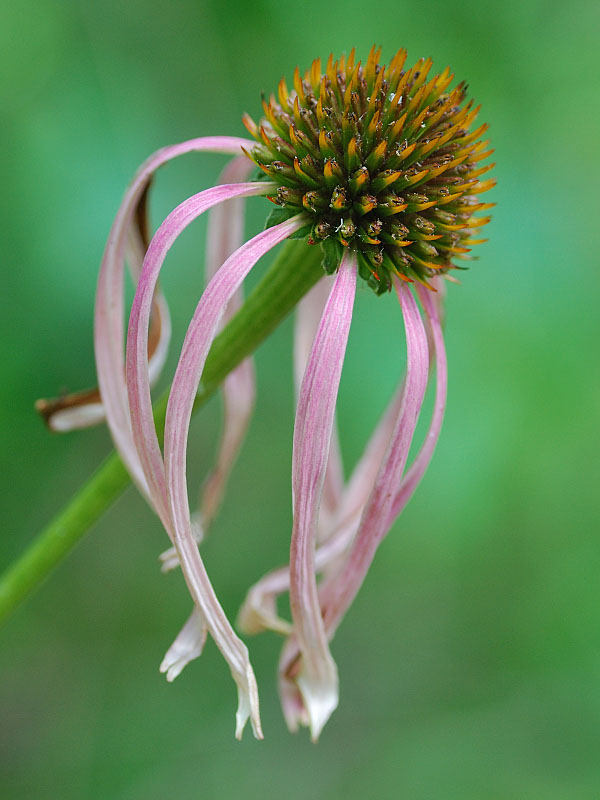
Closeup of flower with long droopy pinkish lavender petals.

As of July, there had been more than 12,000 observations in iNaturalist across the state of the species that are tracked by Natural Heritage. Users of iNaturalist, which launched in 2008, have uploaded data about these species dating back to the 1970s. State biologists have reviewed hundreds of them so far, and have added more than 100 of them into Biotics. Others are being reviewed for additional information.

The lists of rare plants and rare animals in Virginia are updated every quarter. To check if a species is tracked, see and download the lists here: https://www.dcr.virginia.gov/natural-heritage/infoservices#lists.

Alternatively, or if you don’t use iNaturalist, observations of rare species can be provided to Natural Heritage by submitting a rare species sighting form.


If using the iNaturalist app, here are some things to keep in mind that will help our biologists analyze your observations:

  • Make sure you have chosen a Creative Commons license type for your observations to allow us and other scientists to use them.
  • Join the DCR iNaturalist project at https://www.inaturalist.org/projects/va-nhp-tracked-species. That way, you can share coordinates without making them public.
  • Take clear photos showing anything unique to the species that makes it easy to identify, such as the flowers or fruit on a plant.
  • Provide an accurate location with latitude and longitude coordinates that are within 20 meters of the observation. You may need to manually edit the observation to assign accuracy.
  • Provide additional detailed information such as the number of individuals seen.

Good luck, and thank you!

Categories
Birding | Conservation | Native Plants | Natural Heritage | Nature

Tags
native plants

Virginia Department of Conservation and Recreation
600 East Main Street, 24th floor | Richmond, VA 23219-2094 | 804-786-6124
Please send website comments to web@dcr.virginia.gov
Address general inquiries to pcmo@dcr.virginia.gov
Copyright © 2026, Virginia IT Agency. All Rights Reserved
Last Modified: Friday, 27 October 2023, 02:47:03 PM
eVA Transparency Reports View the Virginia Department of Conservation and Recreation's expenditures.
Contact Us | Media Center | Privacy Policy | ADA Notice | FOIA | Jobs | Code of Ethics (PDF)
DCR Organizational Chart (PDF) | Strategic Plan (PDF) | Executive Progress Report (PDF) | Public Safety & Law Enforcement