Department of Conservation and Recreation
Conserve. Protect. Enjoy.
Department of Conservation and Recreation



Philip Lucas, president of the Virginia Speleological Survey for 31 years and a former chair of the Virginia Cave Board, died on April 19, 2026. Virginia Cave Board Chair Andrea Futrell and Wil Orndorff, DCR’s karst protection coordinator, wrote this tribute.
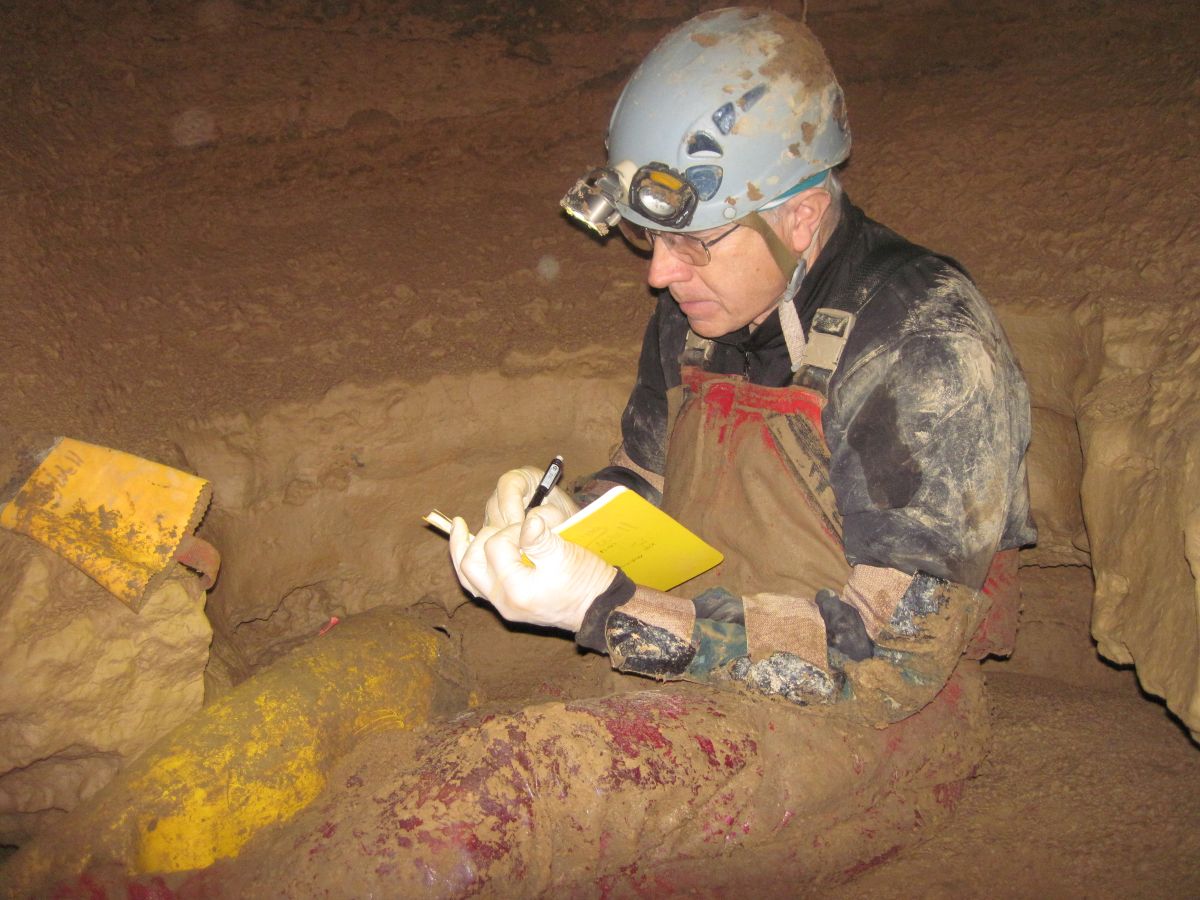
Phil Lucas (1942–2026) was a passionate advocate for conserving, exploring, documenting and teaching people about Virginia’s caves and karst.
As the leader of the Virginia Speleological Survey since its inception in 1974, Lucas created a comprehensive database to manage cave and karst information that now includes 3,032 caves longer than 35 feet. In 1978, Lucas was appointed to the newly established Virginia Cave Commission, with which he helped draft and pass the Virginia Cave Protection Act of 1979, providing increased protections for Virginia’s caves and establishing the Virginia Cave Board.
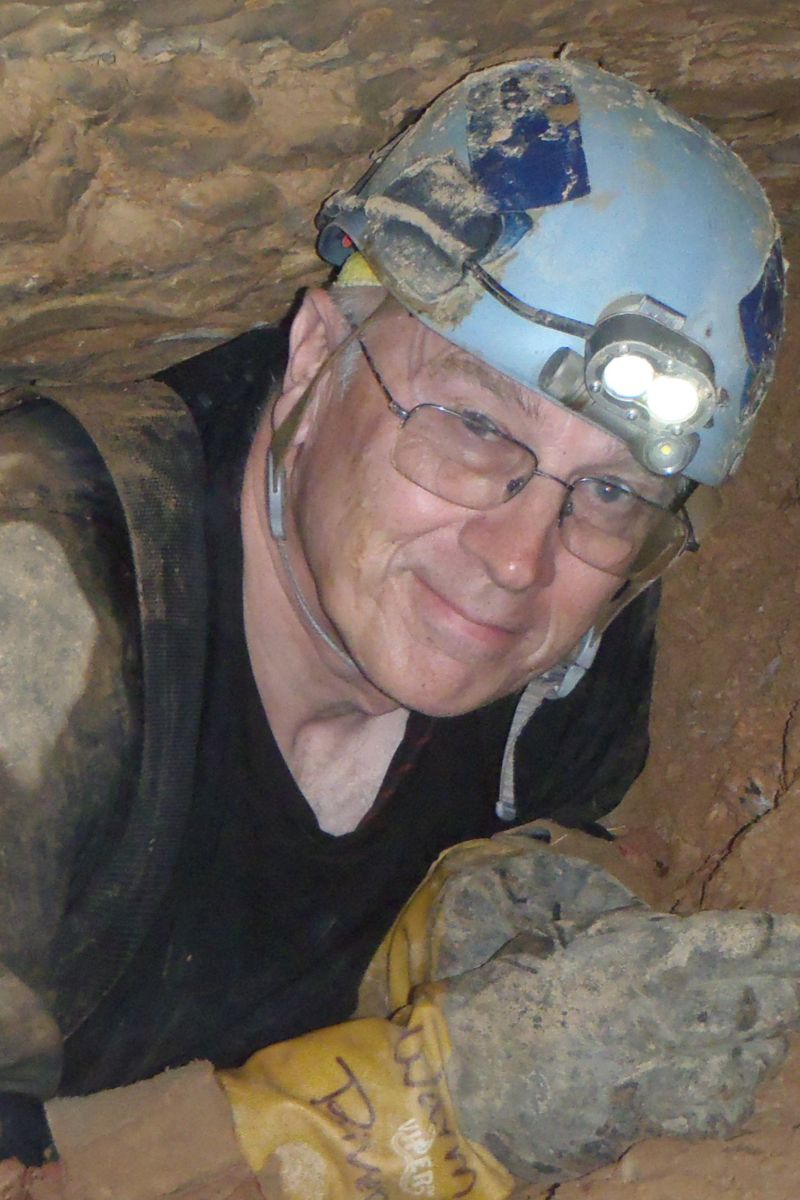
Lucas promoted responsible access to the organization’s database for exploration, science and conservation, while at the same time maintaining the database’s security. He worked with the Virginia Natural Heritage Program at DCR to develop a data sharing agreement so the agency could access cave locations and descriptions for science and conservation purposes while keeping sensitive information such as cave entrance locations out of the public domain. This is particularly important in Virginia because the vast majority of Virginia caves are located on private property, and the broad dissemination of cave entrance locations and descriptions could result in damage to irreplaceable resources as well as criminal trespass.
Around the same time, Lucas negotiated an agreement with the Virginia Cave Board through which the VSS maintains the official state list of significant caves as mandated by the Virginia Cave Protection Act. The list assists the Virginia Cave Board and Natural Heritage in protecting Virginia’s significant caves.
The Natural Heritage environmental review staff screens thousands of projects each year for proximity and potential impacts to Virginia’s rare plants, animals, and natural communities, including caves. From 2002 to 2009, Lucas volunteered his time through the VSS and reviewed approximately 400 proposed development projects every year, including utility projects and road building through the Virginia Department of Transportation, and proposed subdivisions and business construction. This work supported the Virginia Cave Protection Act, helping to prevent impacts to hundreds of caves. Some reviews completed by him contributed to permanent protection for cave and karst resources.
As a contributor to community science efforts, Lucas surveyed literally hundreds of miles of cave passages, and participated in and supported atmospheric, hydrological, paleontological and geological investigations in numerous caves in Virginia. He conducted dye traces, including work as the principal investigator in the Virginia highlands, where he documented some of the longest subterranean flow paths in the state. His willingness to work with members of the scientific communities has resulted in discoveries that have increased our understanding of cave development patterns, especially in the Burnsville Cove area of Bath and Highland counties.
Lucas’ contributions to the Virginia caving community, the residents of the Commonwealth and our karst resources are foundational and leave a legacy to build upon.
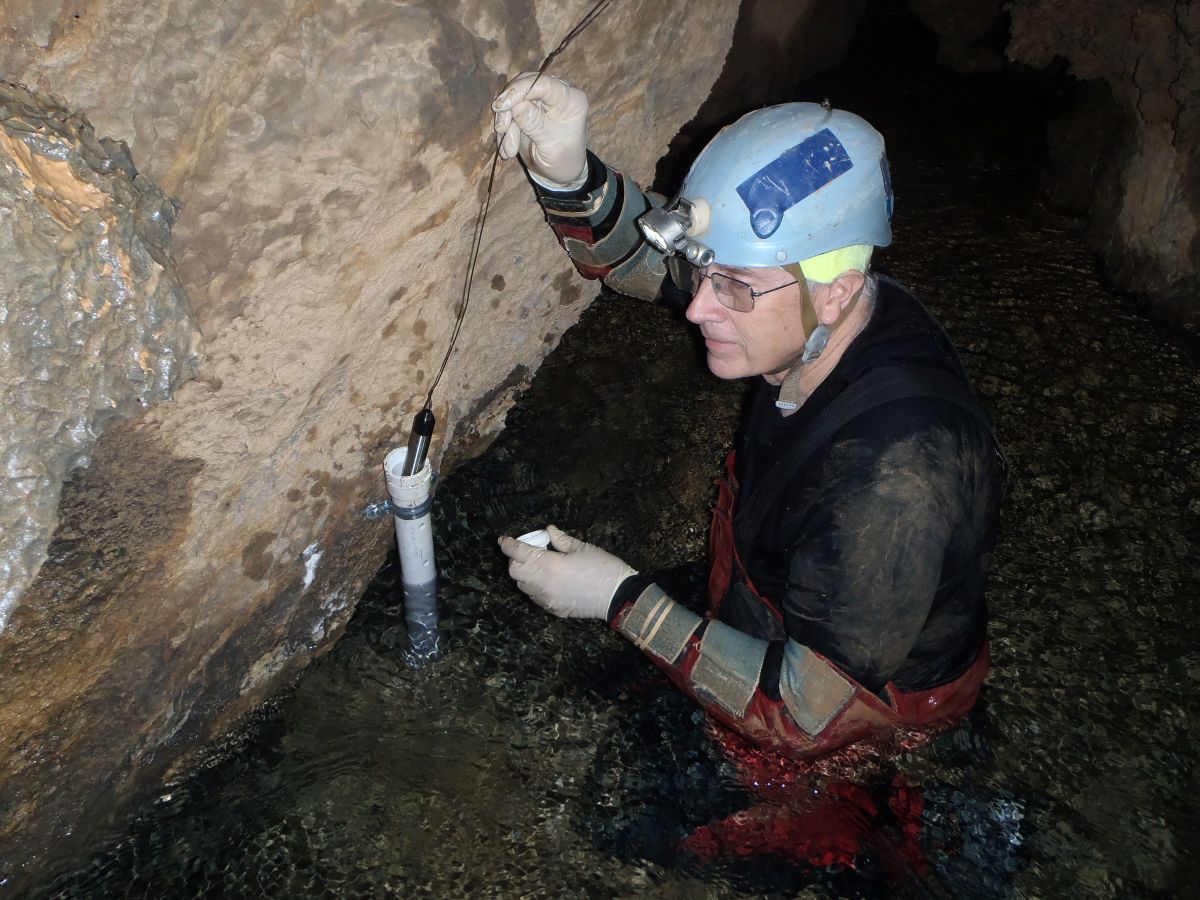
Photos by Yvonne Droms
Categories
Conservation | Natural Heritage | Nature
Tags
karst