Department of Conservation and Recreation Department of Conservation and Recreation
Conserve. Protect. Enjoy.
DCR Logo
Mobile Menu
Search DCR Site
Facebook Twitter YouTube Instagram LinkedIn
About DCR
 
State Parks
 
Natural
Heritage
Soil and Water
Conservation
Recreation
Planning
Dam Safety and
Floodplains
Land
Conservation
  • Natural Heritage
  • Natural Heritage 40th Anniversary
    • 40th Anniversary Events
    • Key Milestones
    • Donate to the Natural Area Preservation Fund
    • DCR 100th Anniversary
  • About Natural Heritage
    • Overview, Mission
    • Natural Heritage Inventory
    • Community Ecology Program
    • Healthy Waters Program
    • Information Management
    • Environmental Review
    • Natural Area Protection
    • Stewardship
    • Staff
    • Internships
  • Natural Area Preserves
    • Public Access Guide (PDF)
    • Special Events and Hunting
    • Natural Area Research
  • Rare Species and Natural Communities
    • Rare Species and Natural Community Search
    • Rare Species and Natural Community Lists
    • Rare Species Sighting Form
    • Natural Communities of Virginia
    • Locality Summary Maps
    • Rare Butterfly and Dragonfly Atlas
  • Information Services
    • Info Services Order Form
    • Locality Assistance Program
    • NH Data Explorer
    • Species and Community Search
    • ConservationVision and Green Infrastructure
    • Telecommunication Towers (PDF)
    • Conservation Lands Database
    • Wetlands Catalog
    • Species Habitat Modeling
  • Pollinator Smart Solar Site Portal
    • Comprehensive Manual (PDF)
    • Scorecard Templates
    • Virginia Native Plant Finder
  • Native Plants
    • Benefits
    • Native vs. Introduced
    • Buying and Growing
    • Virginia's Physiographic Provinces
    • Native Plant Finder
    • Flora of Virginia
    • Policy 151 - Plantings on Department Lands
  • Invasive Plants
    • Invasive Plant List
    • What You Can Do
    • Factsheets
    • Invasive Species Working Group
    • Heritage Half Acre
  • Invertebrates
    • Monarch butterflies
  • Caves/Karst
    • Cave Board
    • Cave and Karst Trail
  • Publications
    • Flora of Virginia
    • Peer Reviewed Papers
    • Enews
    • Brochures and Factsheets
    • NH Plan
Home » Natural Heritage » River Cane Restoration

River Cane Restoration Project

logo for river cane restoration project; cartoon train with overlaid text all aboard the cane train

The Cane Train is a community-based river cane restoration project in southwest Virginia. The project uses a practical, low-cost approach to establish new canebrakes by creating small “canebrake anchors” that can expand over time. Each spring, volunteers harvest river cane rhizomes from established stands. Local greenhouses and universities care for the plants as they become established, and volunteers return in early summer to plant them at restoration sites throughout southwest Virginia.

Why Restore Native River Cane?

River cane (Arundinaria gigantea) once formed extensive canebrakes across the southeastern United States. An estimated 98% of this ecosystem has been lost as a result of agriculture, land-use change, fire exclusion and other changes to the landscape. Today, only a small fraction of its historic extent remains. Restoring river cane helps return this important native plant community to suitable landscapes and supports the ecological and cultural values associated with canebrakes.

Benefits of River Cane

  • Its dense network of rhizomes helps stabilize soil and reduce erosion.
  • It serves as a host plant for several rare cane-feeding moth species.
  • Canebrakes provide habitat for migratory songbirds and other wildlife.
  • Along waterways, dense stands can provide shade and help limit the establishment of invasive plants.
  • River cane has longstanding cultural importance to many Tribal Nations.
  • River cane can absorb excess nitrogen from agricultural and fertilizer runoff.
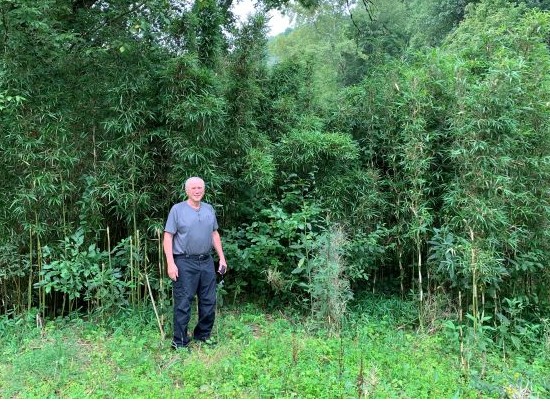
photo of mature stand of river cane
Mature stand of rivercane demonstrating its capacity to shade out invasives, stabilize soil, and provide habitat for wildlife

Get Involved

The Cane Train was designed as an accessible, scalable approach to river cane restoration. This technique has been replicated by restoration programs elsewhere in the Southeast with success. Those interested in learning more, starting a restoration effort or participating in the Cane Train can explore the resources below.

We continue to refine our techniques based on what we learn from each year of restoration work. See our updated methodology, and our frequently asked questions for additional information about the project and its methods.

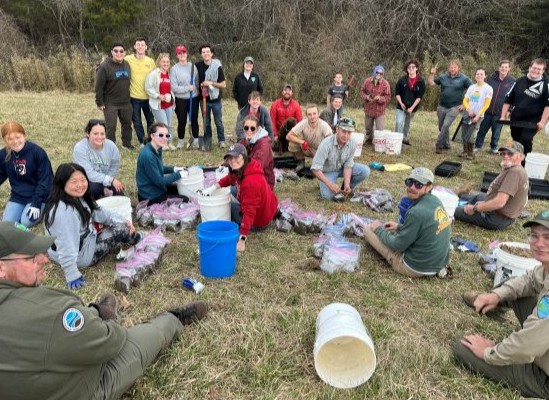
photo of people working to harvest river cane rhizomes
Volunteers work to harvest rhizomes for the 2025 season at Clinch River State Park

Project Links

For more information on our projects specifically, check out these links to webinars and articles about our work.

If you have any additional questions, feel free to contact us at Laura.Young@dcr.virginia.gov

NPR Morning Edition

Restoring Native bamboo

WTVF Radio

Restoring river cane to southwest Virginia

Webinar Series

River Cane Gathering Webinar Series – Restoration and Propagation Techniques
Wild Ones Appalachian Highlands Chapter – Restoration for River Cane, Native Prairies, and Beyond

Website Articles

Restoring Riverfronts with Native Canebrakes

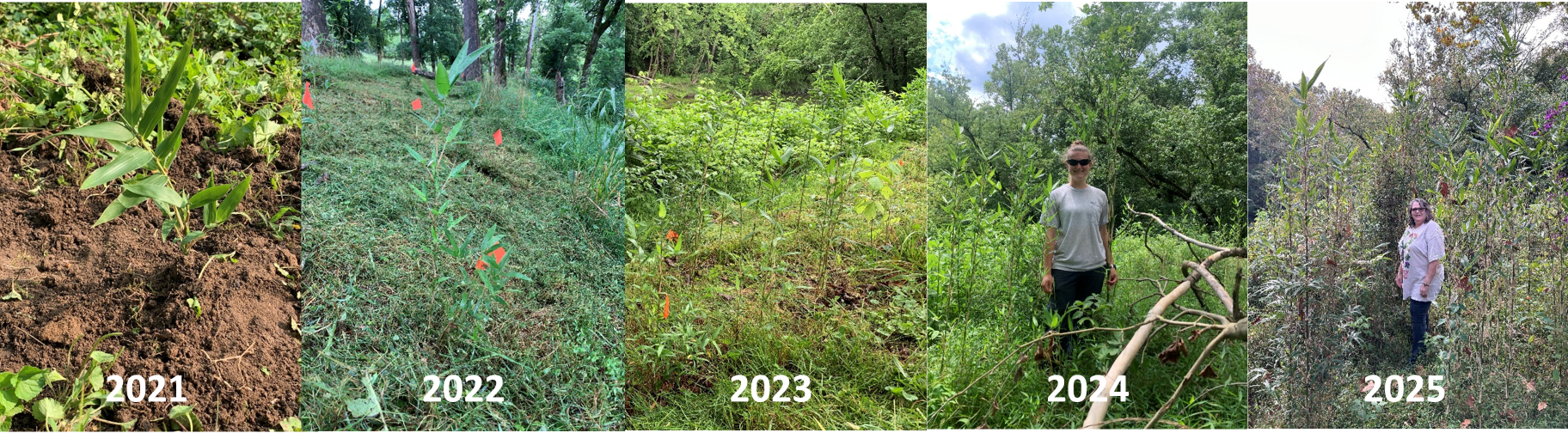
Small plantings can produce substantial results over time. The photo sequence below shows the growth of a canebrake anchor from 2021 through 2025. (click to see larger!)

sequence of rivercane growth from 2021 to 2025
Virginia Department of Conservation and Recreation
600 East Main Street, 24th floor | Richmond, VA 23219-2094 | 804-786-6124
Please send website comments to web@dcr.virginia.gov
Address general inquiries to pcmo@dcr.virginia.gov
Copyright © 2026, Virginia IT Agency. All Rights Reserved
Last Modified: Friday, 16 October 2026, 01:16:23 PM
eVA Transparency Reports View the Virginia Department of Conservation and Recreation's expenditures.
Contact Us | Media Center | Privacy Policy | ADA Notice | FOIA | Jobs | Code of Ethics (PDF)
DCR Organizational Chart (PDF) | Strategic Plan (PDF) | Executive Progress Report (PDF) | Public Safety & Law Enforcement