Department of Conservation and Recreation
Conserve. Protect. Enjoy.
Department of Conservation and Recreation



LOCALITY |
OWNER |
ACRES |
ACCESS |
NEWS |
|---|---|---|---|---|
| Accomack | DCR | 759 | Yes |
SITE DESCRIPTION:
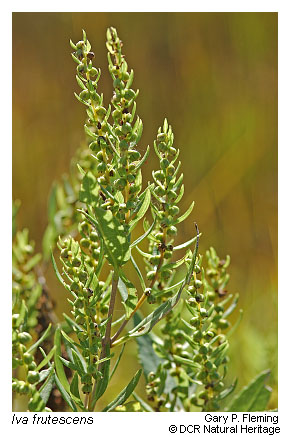
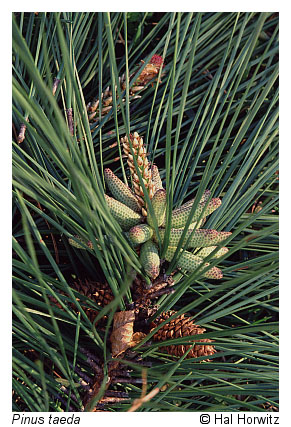
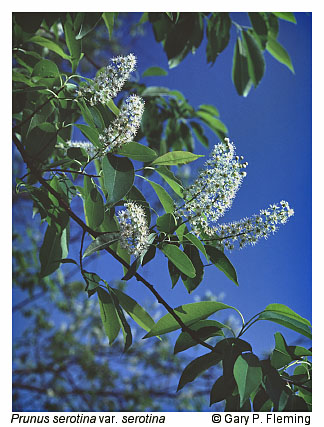
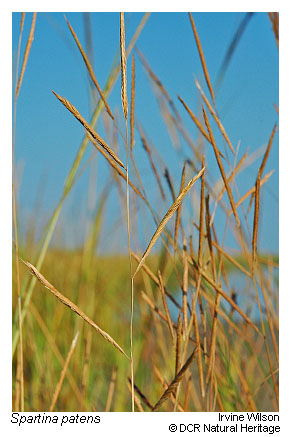
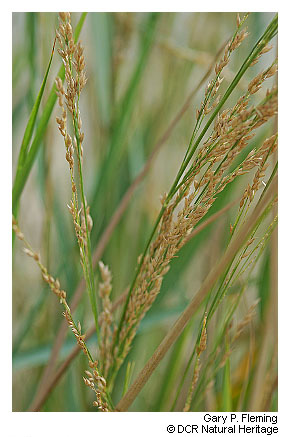
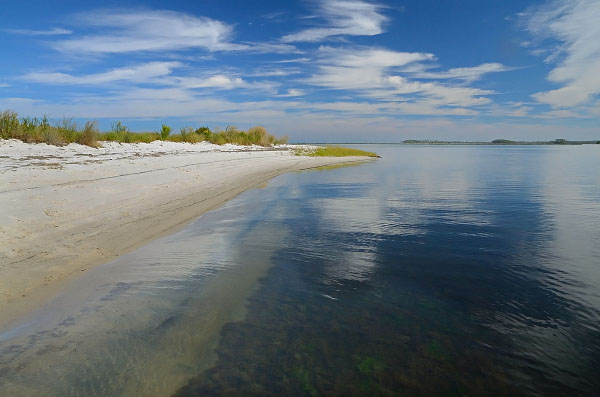
The Parkers Marsh Natural Area Preserve incorporates Chesapeake Bay beach habitat, low marsh, high marsh and shrub and forest vegetation. The wetland communities provide habitat for a variety of plant and animal species, including migrating waterfowl, shorebirds and songbirds. The extensive saltmarsh is by far the most notable feature within this area, comprising approximately 75% of the site. A maritime shrub community supporting species such as marsh elder (Iva frutescens) and black cherry is found on old dune ridges in the marsh and on the bay shore. Narrow bands of forest dominated by loblolly pine (Pinus taeda) and black cherry (Prunus serotina var. serotina) occur along the tops of old dunes. Some of the low primary dunes support grassland species such as saltmeadow cordgrass (Spartina patens) and beach panic grass (Panicum amarum var. amarulum, = Panicum amarulum). The salt marsh at this site provides ideal habitat for marsh nesting birds. One rare marsh nesting species, the sharp-tailed sparrow (Ammodramus caudacutus), has been observed here, as have Peregrine falcons.
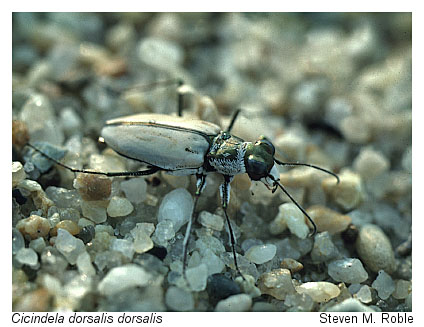
The beach strand here supports an exemplary population of the federally protected Northeastern beach tiger beetle (Habroscelimorpha dorsalis dorsalis). The adults are active along the intertidal zone (the area between high and low tide) during the day and rest under the sand along the back beach at night. The larvae inhabit vertical burrows within the intertidal zone, capturing food items washed ashore by waves. For this reason, sand disturbance (digging) by visitors or their dogs causes mortality events for a federally listed species and cannot occur. Excessive foot traffic has been shown to cause mortality of the eggs and all larval stages of this rare beetle.
The marsh has been designated an Audubon Important Bird Area as part of the Delmarva Bayside Marshes IBA, which extends from Saxis WMA to just north of the Northampton County line.
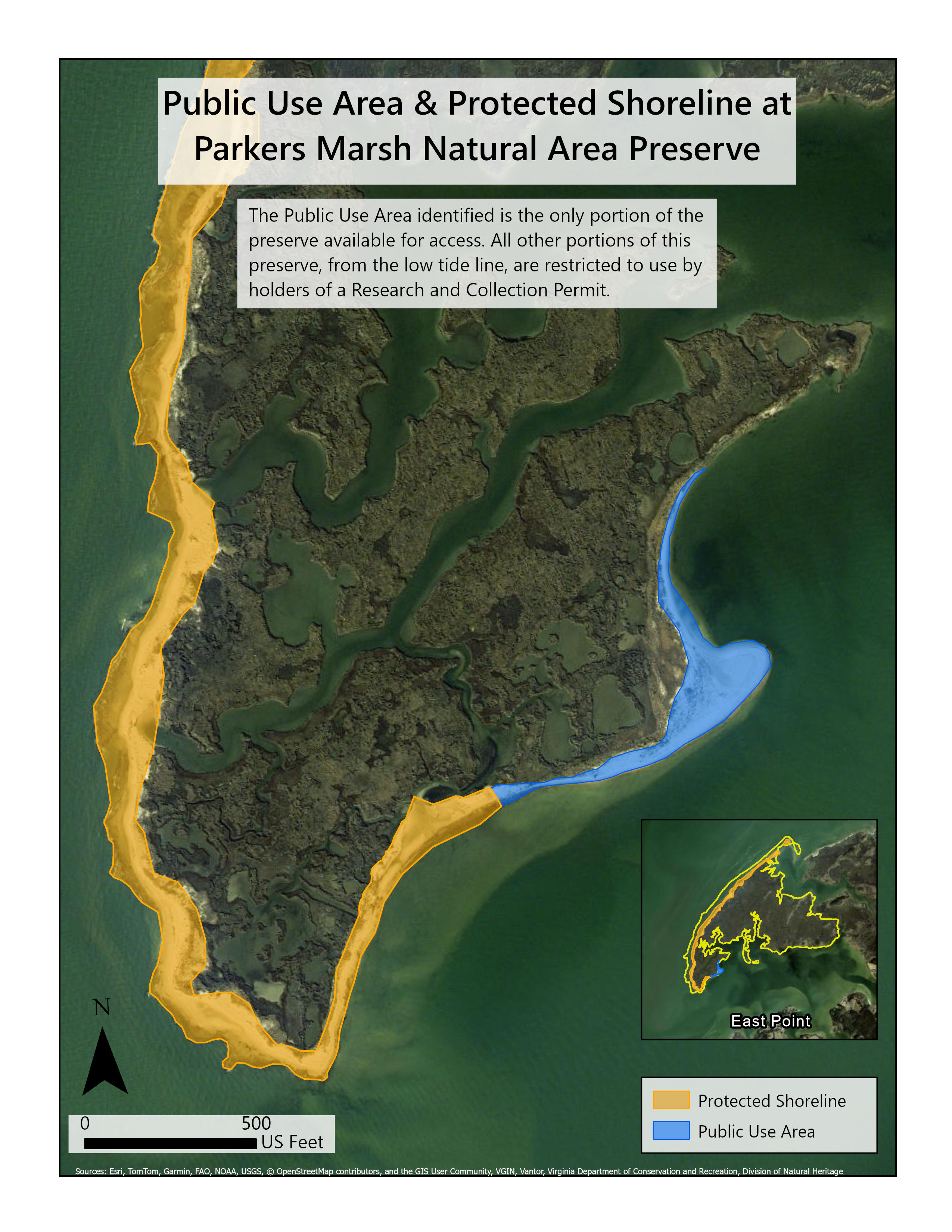
Having a dedicated Public Use Area allows the rest of the Preserve to serve as undisturbed habitat for birds such as the American oystercatcher (Haematopus palliates) as well as for the tiger beetle, nesting Diamondback Terrapin (Malaclemys terrapin) and other wildlife. The Chesapeake Bay has lost over 50% of its suitable sandy shoreline habitat along the western shore and 20% on the Eastern Shore. Learn more at www.chesapeakebay-beaches.com.
HISTORY:
The state purchased the property in 1960 for the 2026 equivalent of over $141,000 for the purpose of preservation in its wilderness state. At the time, the property was to be operated as a part of VDCR’s Division of State Parks, but held distinctly and completely separate in function from the parks themselves and ownership was to return to The Nature Conservancy if the Board of Conservation and Recreation found it impractical or undesirable to maintain the property as agreed. The property was treated as a natural area under management of State Parks until the property was officially dedicated as a Natural Area Preserve on November 10, 1999.
VISITATION:
This preserve has no public access facilities. Access is by boat only, no docking or other public facilities are available. Research is conducted on various Preserves, research permit applications are available online.
CONTACT:
For all other matters, please contact:
Shannon Alexander, Coastal Region Steward