Celebrating the Civilian Conservation Corps’ impact on infrastructure and architecture
90th anniversary of Virginia State Parks
Virginia State Parks are some of the most beautiful locations in the Commonwealth, and a big part of the reason why is their architecture.
Even before the parks opened in 1936, the design philosophy used by the park designers focused on blending structures into their natural surroundings.
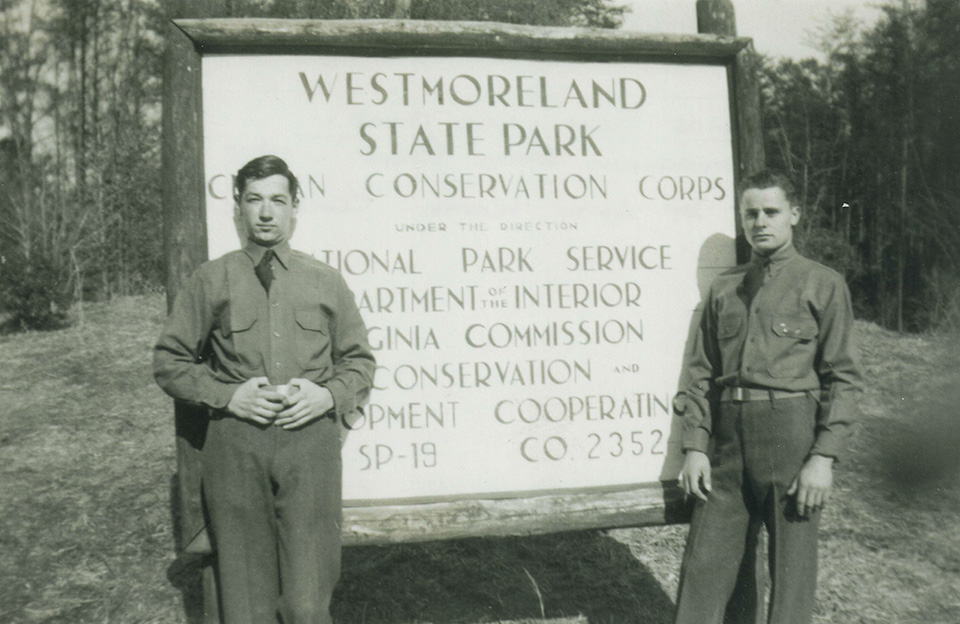
Two CCC members at Westmoreland State Park, one of the original six Virginia State Parks
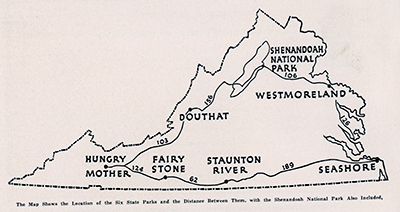
This idea is best seen in the buildings and other structures created by the Civilian Conservation Corps in the 1930s and 1940s that are present in 10 of our parks: Bear Creek Lake, Douthat, Fairy Stone, First Landing, Holliday Lake, Hungry Mother, Pocahontas, Staunton River, Twin Lakes, Westmoreland.
These New Deal-era structures include a wide variety of categories: cabins, camp stoves, dams, culverts, etc. Without these features, you would not have the same sense of place in these historic Virginia State Parks.
To learn more from our Resource Management Team about these historic resources, explore the links below.
Explore the historic resources
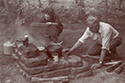 Fireplaces
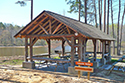 Picnic shelters and water fountains
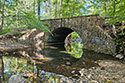 Bridges and culverts
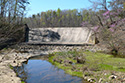 Dams and spillways
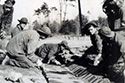 Infrastructure
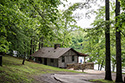 Cabins and lodges
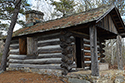 Unique places
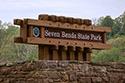 Welcome signs
These landmarks aren’t just historic; they’re living pieces of our shared outdoor heritage, still supporting, inspiring and welcoming visitors nearly a century after they were built.
Next time you visit a Virginia State Park, take a moment to look a little closer. You might be standing beside a piece of history.
We invite you to rediscover the legacy that makes our parks not only breathtaking, but truly one of a kind.
To learn more about our CCC parks, check out more content from our Resource Management team.
- The Civilian Conservation Corps at Westmoreland State Park storymap
- The CCC at Douthat State Park storymap
Start planning your adventure to Virginia State Parks.
Find a Job at
Virginia State Parks

Order your Virginia State Parks
license plate